The Cognitive Leader
A bi-weekly newsletter for CTOs and software engineering leaders driving AI transformation in their teams.
I would like to personally invite you to join us.
Whether you are a CTO, a VP of Engineering, a technical leader, or anyone who is part of a software development organization and cares about where this industry is heading, you belong here.
Enter your information below and I will see you in your inbox every two weeks.
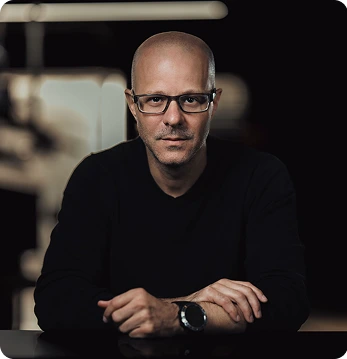

Ricardo Arcia
CEO, Teravision Technologies
Author, The Cognitive Leader
Join The Cognitive Leader
Subscribe to receive insights every two weeks.
By subscribing you agree to receive the bi-weekly newsletter. Your privacy is respected and you can unsubscribe at any time.
If you are leading a software team right now, I wrote this for you.
If you are a CTO, a VP of Engineering, or a leader responsible for a software team, this was written for you. And if you are part of a software development organization in any capacity and you care about where this industry is heading, you belong here too.
You have been given a mandate. Transform the way your team builds software. Deliver more value, faster, with better quality. Integrate AI into how your engineers work, and do it without slowing down delivery. Everyone is expecting results. And no one is showing you exactly how to get there.
I know that feeling because I lived it.
In late 2024, I looked at what AI was doing to software development and felt something I did not expect: fear. After 24 years leading a nearshore software development company, I had watched every industry transform through digital technology. Retail, banking, healthcare, logistics, media. Our clients were at the center of every one of those shifts and we helped them navigate all of it. I thought I had seen enough disruption to know how to handle what came next. But this time was different. This time I realized that our entire way of building software was not just challenged. It was obsolete.
We were being asked to redesign the engine while the plane was in the air.
REDESIGNING THE ENGINE
WHILE THE PLANE IS IN THE AIR
So we stopped pretending we had the answers and started doing the work. Since then we have been building, testing, failing, and refining a system with real engineering teams under real delivery pressure. What came out of that work became a book. It is called The Cognitive Leader: How to Drive Strategic AI Transformation in Software Development. And the most important thing I can tell you about it is that we did not write it from the outside looking in. We lived it first.
This newsletter is where that journey continues.
I conducted over 150 interviews with CTOs and engineering leaders while writing The Cognitive Leader. And what I learned is that the best way to tackle this challenge is together. AI transformation in software development is not a problem you solve once. It is a living experience that keeps evolving.
Every two weeks I will bring you into that experience. You will hear from the leaders who have been living this transformation alongside me. Franz Silva (CTO), Raúl Escobar (VP of Engineering), Héctor Pappe (COO), José Calderón (Head of Product), Alex Campotti (CMO), Roberto Ramírez (Agile Coach), and other members of our team driving the AI transformation across our software delivery organization. You will also hear from our clients, sharing their own journeys and what this shift has looked like from inside their organizations. Practical insight from a team that is living this firsthand. Because I believe that what we learn together will always be more powerful than what any one of us figures out alone.
Ricardo Arcia
CEO, Teravision Technologies
Author, The Cognitive Leader